Restrictions usually concern safety, submerged heritage, navigation or waste left behind. Not permitted on this waterway is more precise than claiming magnet fishing is illegal throughout an entire country.
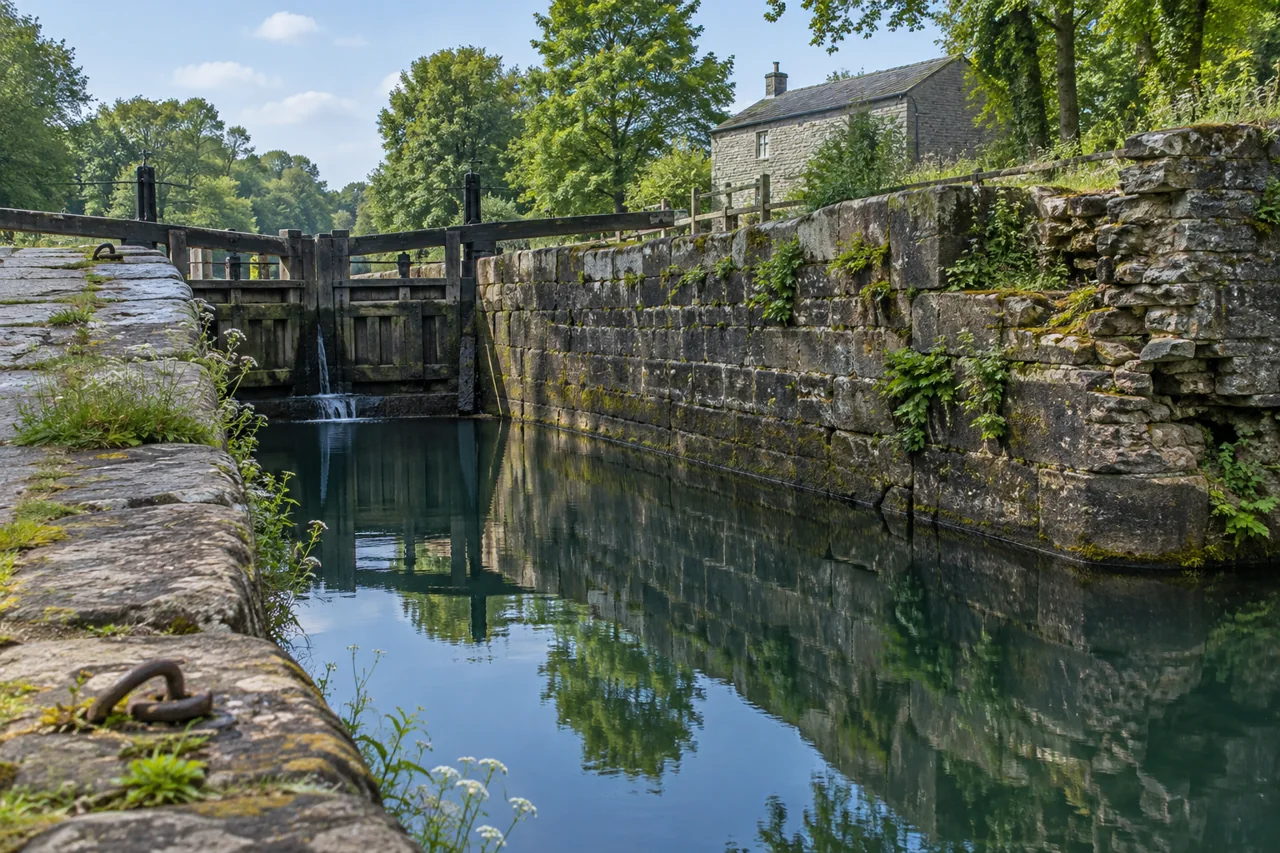
Why some places restrict magnet fishing for safety
The Canal & River Trust describes sharp and heavy objects, a risk of people being dragged into water, and weapons or old bombs. Its response is to prohibit magnet fishing on its waterways. A magnet may reach something that a person on the bank cannot identify safely.
How magnet fishing can disturb submerged history
South Carolina’s underwater archaeology authority explains that a surface operator cannot see whether a snagged item is buried or attached to a historic structure. Moving a piece can destroy information about its original context. Looking old does not make an object free to take.
Why abandoned scrap affects magnet fishing access
Indiana DNR identifies sediment disturbance, debris and stained paths among its concerns. Its permit system controls activity on its own properties. Removing an object from water and leaving it on the bank simply moves the problem.
Check the location’s exact rules, not an online slogan about a whole state. Some places have a permission route; others do not. The legal hub links to both kinds of examples.
Sources & further reading
Community questions inform the topics. Official sources support rules; manufacturer information is not a hands-on test.
- Canal & River Trust: water safety and magnet fishingOfficial waterway manager
- University of South Carolina SCIAA: Hobby License FAQState underwater archaeology authority
- Indiana DNR: magnet fishing on state propertiesOfficial authority