Start with the waterway or property manager. A nearby bridge or dock may look promising, but only a location-specific permission check can tell you whether you may magnet fish and remove objects there.
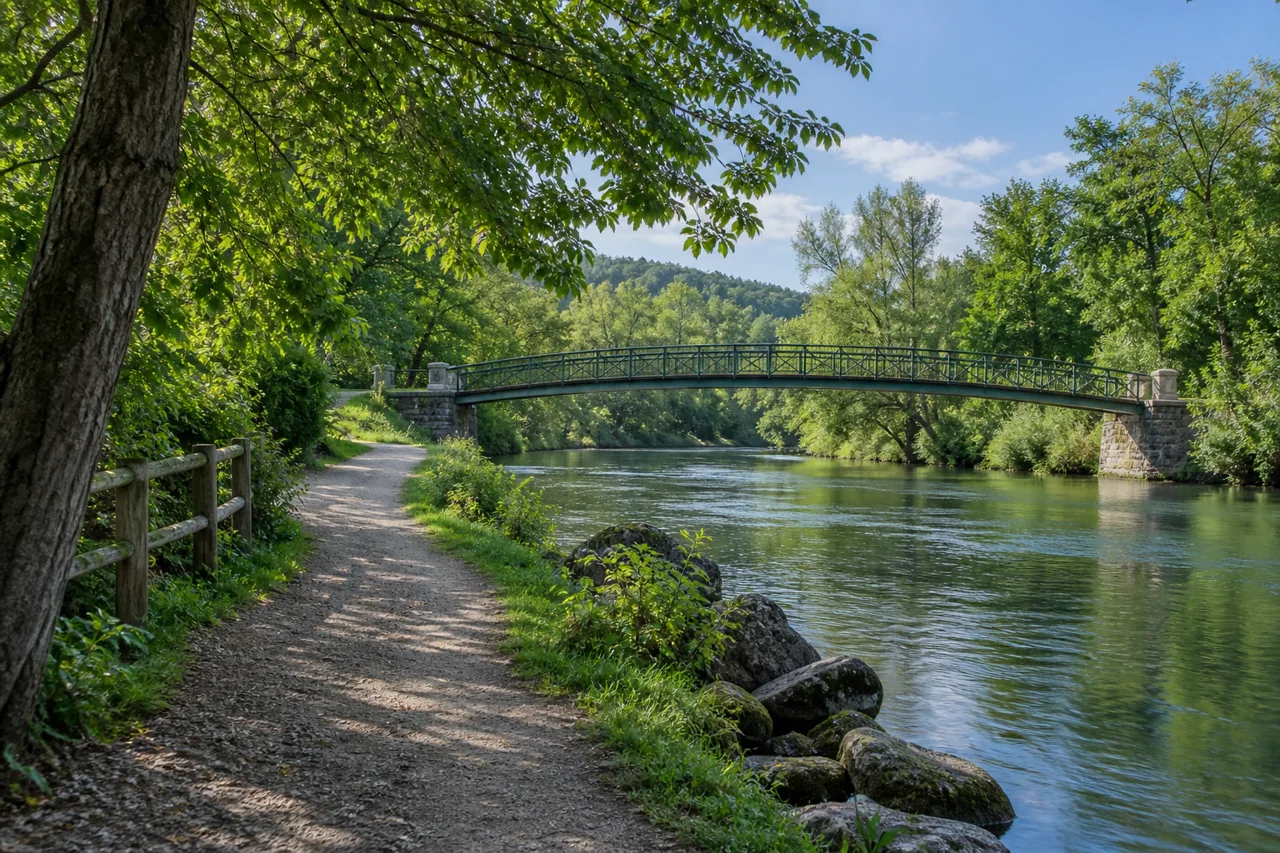
How to check permission for magnet fishing near you
Use a map to note nearby waters with accessible banks. Record the official name of each place and identify its manager. Search for the manager’s magnet-fishing policy, protected-site rules and closures. If the policy is missing, ask directly.
This page does not claim to know your location or list verified nearby spots. The useful result is a shortlist with a named decision-maker, not a map pin that silently implies access.
What to ask before magnet fishing at a specific place
Send that to the responsible manager yourself. Ask them to identify any other owner or authority whose consent is needed.
How bridges, canals and docks change the access check
Human activity can explain why objects end up in water, but busy places introduce other risks. Do not cast into navigation routes or work near infrastructure. Check room for pedestrians and the possibility of the magnet attaching to steel railings.
Canals are not automatically open for magnet fishing: the Canal & River Trust prohibits it on its waterways. Indiana DNR properties have a permit process. Neither example tells you the rules at a different manager’s site.
Checklist for choosing a magnet fishing location
- Permission covers this exact spot and the removal of objects.
- There is firm footing and a clear exit.
- The activity will not obstruct other users.
- You know what must be reported and how to remove ordinary scrap.
- Conditions have not changed since permission was given.
If one of those points is unresolved, choose another day or location.
What to ask a waterway manager about magnet fishing
I would like to use a hand-held retrieval magnet and rope at [exact location]. Do you permit magnet fishing there, including removal of ordinary scrap? Please tell me whether I need written consent or a permit, which areas are excluded and how finds must be reported or disposed of.
Include a map reference and the bank you intend to use. A general answer about a lake may not cover a bridge, leased fishing area or nearby protected site. Keep the reply with your trip notes, including any date limits and conditions.
Search results, parking availability and a public footpath can help you investigate access. They do not establish permission to remove objects. Our legal guide explains the separate questions to resolve before choosing a place.
Common questions
How can I find magnet fishing places near me?
Identify the landowner and waterway manager for a specific location, then ask about magnet fishing, removal of objects and any permit. Public paths and online videos do not establish permission. Check safe footing, access and disposal before planning a visit.
Sources & further reading
Community questions inform the topics. Official sources support rules; manufacturer information is not a hands-on test.
- Indiana DNR: magnet fishing on state propertiesOfficial authority
- Canal & River Trust: fishing FAQOfficial waterway manager