1881 is a key milestone: Alexander Graham Bell and collaborators developed an induction-balance device to help locate the bullet in President James Garfield. The history is broader than one moment when every modern detector feature was invented.
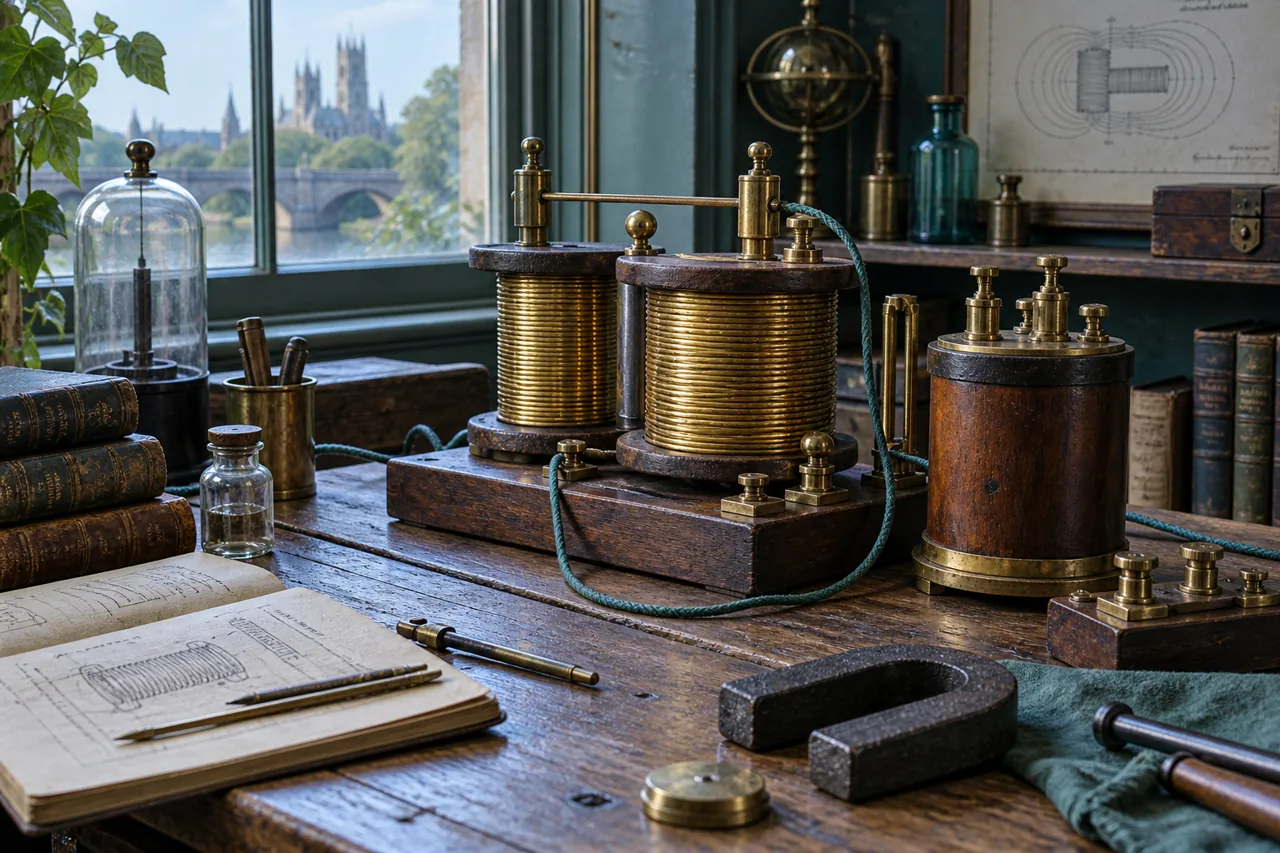
Why Bell built an early metal-detecting device
The National Park Service describes Bell’s attempt to use electrical detection after Garfield was shot. He worked with others on a device intended to signal the presence of metal. The attempt did not locate the bullet successfully.
Why metal detectors have no single invention date
An early experimental instrument, a commercially sold portable detector and a modern hobby machine are different milestones. Calling 1881 the beginning of the familiar story does not mean the detector you use today existed then.
How Bell’s device relates to modern hobby detectors
The shared idea is sensing a response associated with metal. Modern equipment adds specialised coils, ground handling, signal processing and target displays. Those developments explain why a detector can offer much more information than a simple yes-or-no response, while still requiring interpretation.
For the historical account, start with the museum source below. For the operating principle, use the separate guide to how detectors work.
Sources & further reading
Community questions inform the topics. Official sources support rules; manufacturer information is not a hands-on test.
- National Park Service: Bell’s 1881 metal-detecting deviceMuseum / historical interpretation
- Minelab: how metal detectors workManufacturer technical education